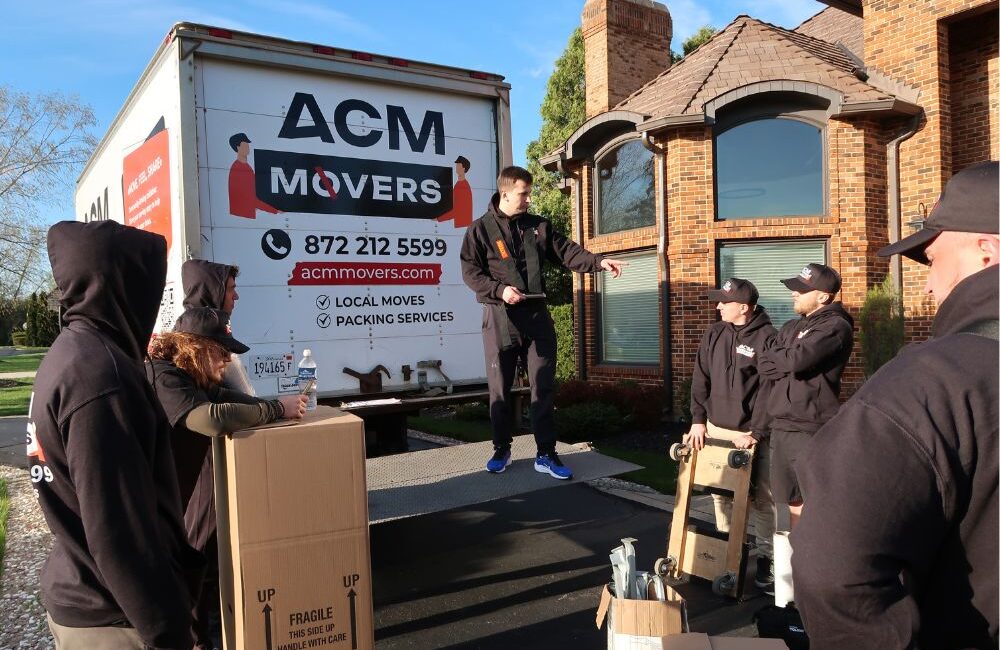
If you’ve ever tried to load a moving truck in Chicago, you already know the truth: the hardest part isn’t lifting—it’s finding a safe, legal place to park and load. Between tight streets, meter zones, rush-hour traffic, and building rules, parking can make or break your schedule.
At ACM Movers, we see the same pattern over and over: moves that run late usually start with a parking problem. This guide keeps it readable and straight to the point—what permits mean, when you need them, and how to avoid the most common Chicago moving-day mistakes.
The 60-Second Answer: Do I Need a Permit?
Maybe. You need a plan for curb space if any of these are true:

- You’re moving in Downtown / Loop / River North / West Loop (heavy enforcement + meters).
- Your building requires reserved loading or elevator windows.
- You’re on a busy street with no open curb space.
- Your truck will block normal traffic flow if you “just stop for a minute.”
If you’re moving in many Chicago neighborhoods (or dense suburbs), the question is not “permit or no permit,” but: How do we secure a legal loading zone and keep the move on time?
“Dibs” vs. Real Reserved Parking: What Actually Works
In winter, people sometimes save parking spots with chairs or cones (“dibs”). Here’s the reality:
- Dibs isn’t enforceable as an official reserved space.
- It can start arguments with neighbors.
- It doesn’t protect you from tickets, towing, or another vehicle taking the spot.
If you need reliable curb space, you want enforceable reserved parking (official “No Parking” signage or permitted curb space). That’s what keeps the truck close, reduces carry time, and protects your moving schedule.
What “Enforceable No Parking Signs” Mean
(And Why Movers Love Them)
When people say “parking permit for moving,” they usually mean some form of temporarily reserving curb space so a moving truck can load and unload.
Why it matters:
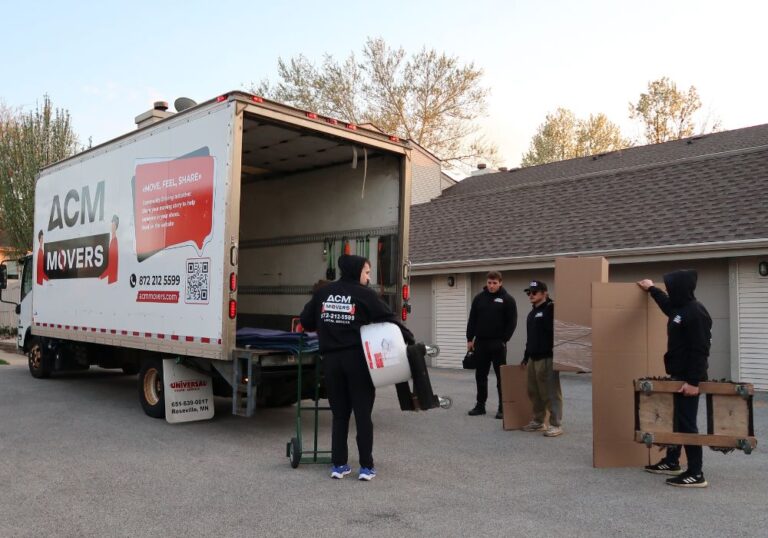
- Less walking = fewer hours (and lower labor time).
- Less risk of damage from long carries through hallways, stairs, or crowded sidewalks.
- Less stress with traffic and neighbors.
Important: These signs usually must be posted ahead of time (often around 48 hours before the move). If you post signs too late, you may not get the protection you expect.
Where Parking Gets Tricky in Chicago
Parking logistics become high-stakes in:
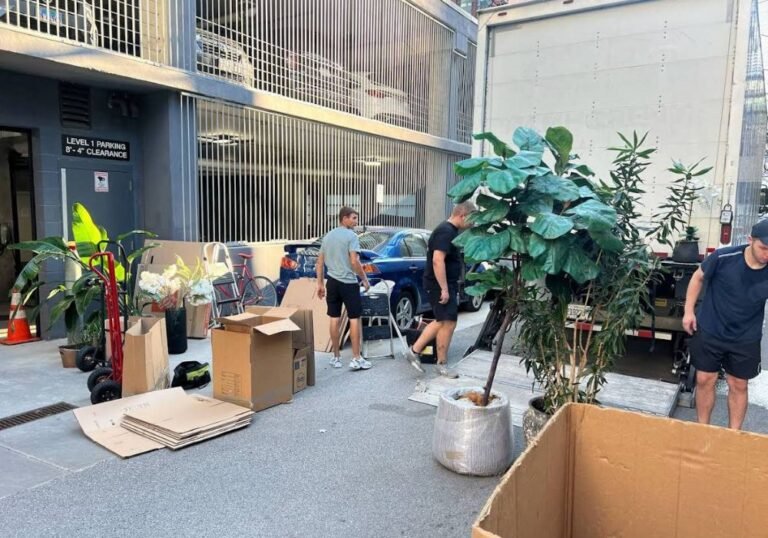
- Downtown / Loop (metered areas, strict loading rules)
- River North / Streeterville (dense traffic + condos)
- West Loop / Fulton Market (delivery congestion)
- Lincoln Park / Lakeview (tight streets + permit zones)
Even in suburbs, you can run into issues near busy corridors and downtown strips in places like Evanston, Oak Park, Skokie, and other high-density areas.
What Can Go Wrong If You Skip Parking Planning?
Here’s what we see in real moves:

- The truck parks too far → the crew makes long carries → the move takes longer.
- The truck stops illegally → risk of ticket/tow or being forced to move mid-load.
- You miss an elevator window → building delays you for hours.
- Neighbors or businesses complain → stressful conflict and wasted time.
Parking isn’t a small detail. It’s a time and cost driver.
The Chicago Rules Movers Care About (Quick Checklist)
You don’t need to memorize every code—but you should know what can instantly cause problems:
- Don’t block hydrants.
- Don’t block crosswalks.
- Don’t park in bus lanes or bike lanes for loading.
- Be careful near intersections, stop signs, and heavy traffic zones.
If you’re unsure, the safest approach is simple: secure legal curb space, coordinate with your building, and keep the truck as close as possible without violating restrictions.
Condo & High-Rise Moves: The Hidden Parking Problem
If you’re moving from a condo or high-rise, the permit question is only half the story. The other half is building logistics.
Before moving day, confirm:
- Elevator reservation (time window + required forms)
- COI (Certificate of Insurance), if the building requires it
- Loading dock access or dedicated service entrance rules
- Move-in/move-out hours (some buildings restrict mornings or weekends)
This is where professional movers make the biggest difference: we help you plan the sequence so parking, elevators, and crew timing match.
How to Plan Parking Like a Pro
Step 1: Identify your “loading reality”
Ask yourself:
- Is there open curb space near the entrance?
- Are there meters, permit zones, or strict enforcement?
- Will the truck block traffic if it stops?
If parking is tight, plan for reserved curb space.
Step 2: Confirm building requirements (if applicable)
If you’re in a condo, confirm elevator and loading rules first. The best permit in the world won’t help if the building won’t let you load.
Step 3: Plan your time window
Chicago traffic is real. If you can choose:
- Morning windows usually reduce congestion.
- Avoid peak rush hours when possible.
Step 4: Keep the truck close (this saves money)
Shorter distance from door to truck:
- cuts labor time
- reduces fatigue
- lowers risk of bumps and scrapes
- keeps the move predictable
“Do Movers Handle Permits?”

Sometimes we can guide you through the best option based on your street/building, but permits and postings often require the customer or property manager to file them (depending on the situation). The best move is to discuss this during your quote so you don’t find out the hard way on moving day.
If you’re searching “movers near me” or “moving company near me” in Chicago, ask one question on the call:
“How do you handle parking and building logistics?”
A pro mover will have a clear answer.
Best Tip for a Smooth Move:
Treat Parking as a Scheduling Tool
Parking is not just “where the truck goes.” It determines:
- how fast loading starts
- whether you meet elevator windows
- whether you avoid tickets/towing
- how many hours the move takes
When parking is planned, everything else gets easier.
FAQ:
Not always. But if your street is busy, metered, or space is limited, reserving curb space can prevent delays and reduce moving time.
Plan early—many enforceable options require posting signs in advance (often around 48 hours before moving day).
Long carries and delays. If the truck parks far away, your move can take longer and cost more due to additional labor time.
Yes. Many require elevator reservations, COI paperwork, and use of a service entrance or loading dock.
Yes. During your quote, we’ll ask about your street and building rules so the move is planned correctly from the start.
