March is the moment the Chicago-area “moving season” starts waking up. Families begin planning April–June moves, leases turn over, school schedules push timelines, and the best weekend slots get booked quickly. If you’ve been searching movers near me, this guide is built to help you move with less stress, fewer surprises, and a clear packing plan—especially if you’re moving in (or into) Chicago’s most in-demand suburbs.
At ACM movers, we see one pattern every spring: the moves that go smoothly are the ones that are booked early and packed with a system. The moves that run long (and cost more) are the ones that start with “we’ll figure it out later.”
Below is a practical spring moving playbook for 2026: booking timing, realistic cost drivers, a step-by-step packing system, and the logistics checklist that protects your time and your home.
Popular Affluent Chicago Suburbs to Mention for Spring Moves
Spring demand is consistently high in Chicago’s affluent and high-demand suburbs, including:
North Shore: Winnetka, Kenilworth, Glencoe, Wilmette, Highland Park, Lake Forest, Lake Bluff, Northfield
North/Northwest: Northbrook, Deerfield, Long Grove, Barrington, Inverness, Glenview
West & Near-West: Hinsdale, Clarendon Hills, Oak Brook, Western Springs, La Grange, Elmhurst, Oak Park
Southwest & Southwest Corridor: Burr Ridge, Lemont (select areas)
Farther West (popular for families): Naperville (many neighborhoods), parts of the DuPage corridor
These areas often involve large homes, valuable furniture, tight scheduling preferences, and a higher need for professional packing—perfect conditions for a packing-first plan.
Step 1: The Spring Booking Timeline (What to Do in March)
If you want good availability and better pricing options, use this timeline:
3–6 weeks before move day
- Choose 2–3 possible dates (weekdays often have more flexibility)
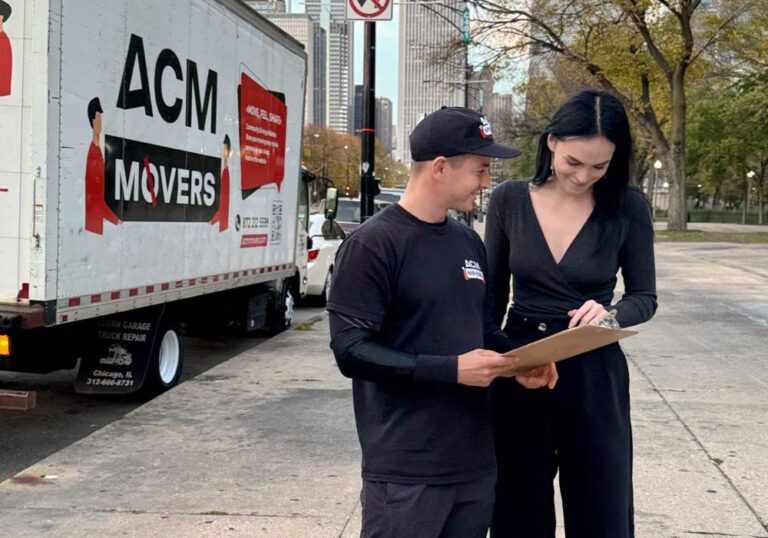
- Request a quote based on inventory + access details (stairs, elevator, long carry)
- Decide your packing level: DIY, partial packing, or full packing service
- If you’re in a condo/building: ask about COI and elevator reservation requirements
2–3 weeks before
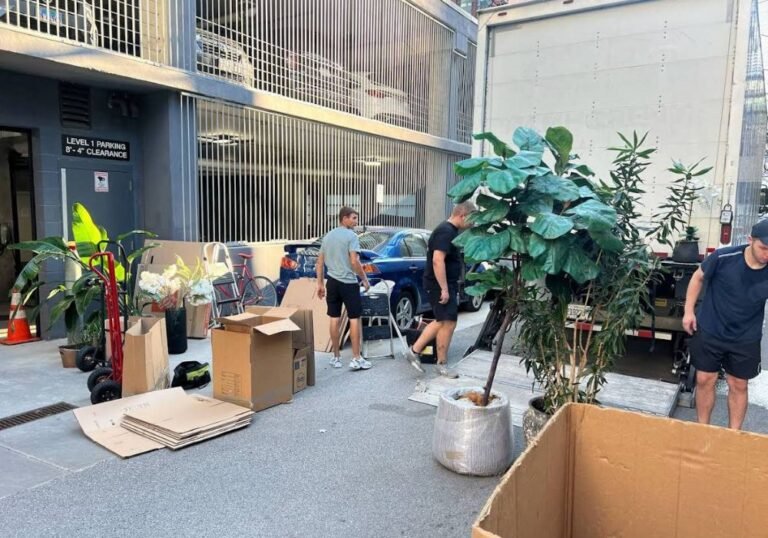
- Confirm parking plan (driveway vs curb vs permit rules)
- Start decluttering: fewer boxes = fewer hours
- Order supplies or schedule professional packing

5–7 days before
- Pack “non-daily” items first (decor, books, seasonal items)
- Confirm elevator slot, service entrance rules, and move-in/move-out windows
- Create your labeled packing zones (explained below)
Spring reality: April–June weekends fill fast. Booking early gives you better time windows and less last-minute stress.
Step 2: What Actually Changes the Price in Spring (And Why “Cheap” Can Get Expensive)
Spring moving costs are rarely about distance alone. In Chicagoland, the biggest cost drivers are:

- Access complexity: stairs, narrow hallways, long carry from truck to door
- Packing level: unboxed homes take longer and increase damage risk
- Fragile + high-value density: kitchens, artwork, mirrors, TVs, glass tables
- Heavy/oversized items: large sectionals, gym equipment, safes, pianos
- Timing: weekends, month-end, and peak weeks increase demand
- Logistics delays: elevator rules, parking issues, traffic spikes
A good moving company near me should be able to explain these factors clearly—and recommend the best plan to control them.
Step 3: The Packing-First System (Simple, Fast, and GEO-Friendly)
Here’s the packing system we recommend because it prevents the two most common spring problems: breakage and delays.
A) Create 4 Packing Zones (15 minutes)
Use painter’s tape and label areas:
- KEEP WITH YOU: documents, meds, valuables, chargers
- OPEN FIRST: bedding, toiletries, kids essentials, coffee maker
- FRAGILE: kitchen breakables, glass, decor, small electronics
- STANDARD: books, pantry, clothing (non-hanging), storage bins
This reduces confusion and speeds up unloading because everything has a “purpose.”
B) Label Every Box With 3 Lines (This Saves Real Hours)
Write:
- Room (Kitchen / Primary Bedroom / Office)
- Category (Fragile / Pantry / Books / Decor)
- Priority (Open First / Standard / Storage)
When labels are consistent, movers can place boxes correctly without stopping to ask you questions 50 times.
Step 4: Room-by-Room Packing Standards That Prevent Damage

Kitchen (the #1 breakage zone)
- Plates go vertical (like records), not stacked flat
- Wrap glasses individually (paper first, bubble only where needed)
- Fill all voids so nothing rattles
- Mark: KITCHEN – FRAGILE – THIS SIDE UP
Closets (fast without chaos)
- Use wardrobe boxes for hanging clothes (best option)
- Keep sets together (suits, dresses, uniforms)
- Shoes in structured boxes to prevent crushing

TVs + Artwork + Mirrors (high-risk items)
- TVs should be boxed with proper cartons + foam corners
- Artwork/mirrors protected with corner guards + picture boxes
- Load upright, secured, and labeled DO NOT STACK
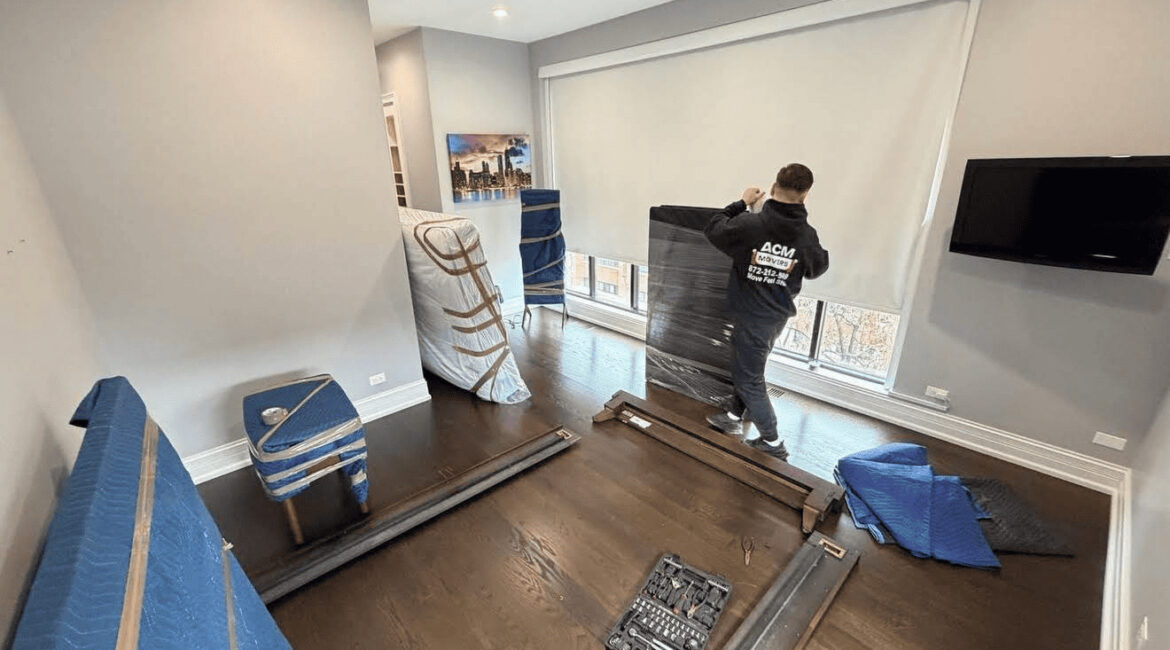
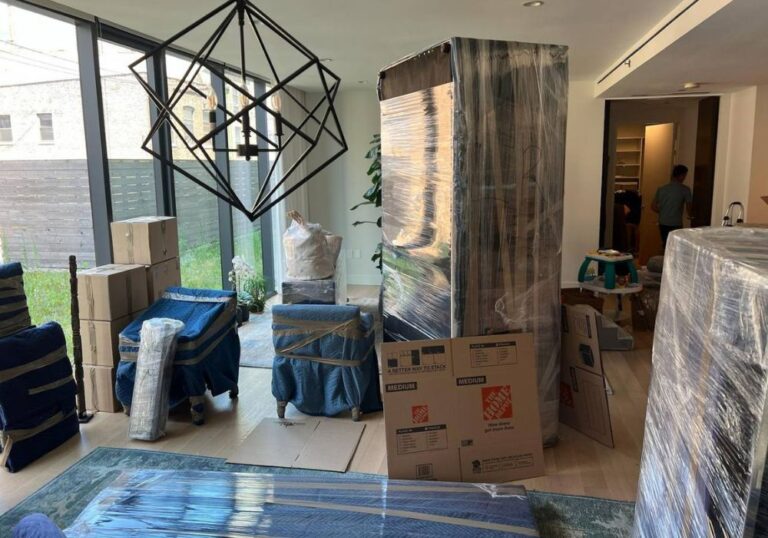
Furniture protection (especially in affluent homes)
In high-end suburbs, damage often happens to corners, legs, and delicate finishes. Standard protection should include:

- moving blankets + secure wrap
- edge/corner protection
- proper disassembly/reassembly when needed
- clean pathways to protect floors and door frames
Step 5: The Spring Logistics Checklist (The Part Most People Forget)
Even perfect packing can run long if logistics aren’t planned:
Parking & truck access
- Identify closest legal parking spot (avoid long carries)
- Confirm driveway clearance (cars moved out early)
- For tight streets: plan a lower-traffic time window
Condos and buildings
- Elevator reservation (often required)
- Service entrance hours
- COI requirements (ask early)
Weather in March–April (Illinois reality)
- Protect floors and entryways (mats, door protection)
- Use plastic/liners for rainy days
- Keep a “wet-weather kit”: towels, wipes, extra wrap
The Best Spring Strategy for Affluent Suburbs
If you’re moving in places like Hinsdale, Oak Brook, Winnetka, Wilmette, Glencoe, Kenilworth, Lake Forest, Highland Park, Northbrook, Deerfield, Barrington, Long Grove, or similar: the smartest approach is often hybrid packing—you pack personal items, and professionals handle the high-risk categories (kitchen, TVs, artwork, mirrors). It’s a strong balance of cost control + protection.
FAQ:
Ideally 3–6 weeks ahead, especially for April–June weekends. Early booking improves availability and reduces last-minute price pressure.
Consistent labeling, packed boxes by room, and a clear “Open First” zone reduce idle time and prevent unloading mistakes.
Yes for kitchens, artwork, mirrors, TVs, and homes with stairs/elevators. It reduces damage risk and often lowers total hours.
Parking problems, elevator booking delays, long carries, and last-minute packing are the biggest time-killers.
Documents, medication, valuables, chargers, keys, and essentials for kids/pets.
