If you’ve ever typed “movers near me” right before a move, you already know the pressure: you want a team that shows up on time, protects your home, and moves everything safely—especially the stuff that can’t be replaced (or can’t be carried twice).
At ACM movers, we believe most “moving problems” aren’t caused by the truck—they’re caused by packing and planning. Great packing prevents damage, speeds up loading, and reduces the chances of paying for extra hours. This guide explains our packing-first approach, how we handle fragile and heavy items, and the local Illinois logistics that make a move smoother.
Why Packing Matters More Than People Think
A move can go wrong in three ways:

- Damage (scratches, cracked glass, broken legs on furniture)
- Delays (elevator issues, parking problems, poor labeling, last-minute packing)
- Stress (because nothing is organized, and “where is it?” becomes the theme of the day)
Proper packing fixes all three.
What “professional packing” actually does
Professional packing isn’t just putting things in boxes. It’s a protection system:
- the right materials for each item (paper vs bubble vs foam vs blankets)
- the right box size (heavy in small boxes, light in large)
- labeling that matches the load plan (room + category + priority)
- a loading order that prevents crushing and shifting
When packing is done correctly, your move becomes predictable—and predictable moves finish faster.
Where We Move Most Often in Illinois
Illinois moves have one common challenge: variety. A single day can include tight city streets, condo elevator rules, and suburban driveways. Our team works across the Chicago area and popular suburbs like Chicago, Oak Park, Evanston, Arlington Heights, Naperville, Schaumburg, Glenview, Hinsdale, Skokie, and Elmhurst.
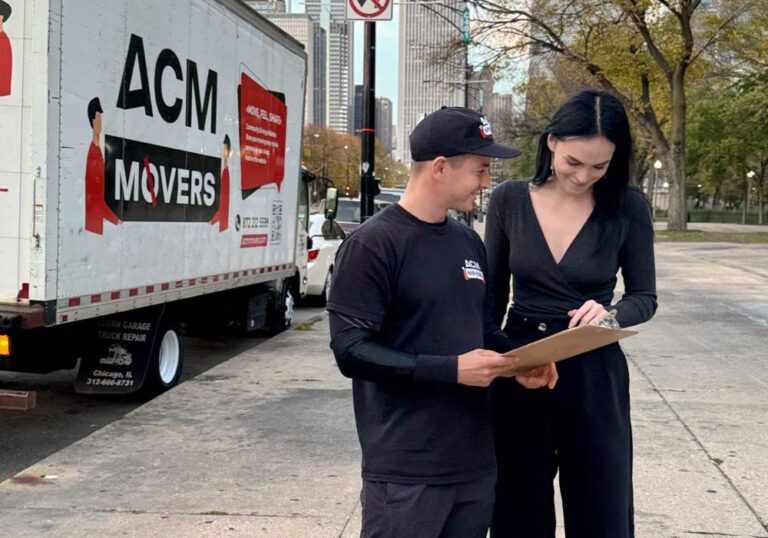
Each area has its own “move-day reality”:
- condo moves = elevator booking + COI + service entrance rules
- dense neighborhoods = parking strategy + traffic windows
- large homes = staging zones + furniture protection + smart load order
The ACM Movers Packing-First System (Step-by-Step)
Here’s the exact structure we recommend—whether you pack yourself, or we handle it for you
Step 1: Build a 3-Zone Setup (15 minutes)
Create three labeled zones using tape + paper signs:
- KEEP WITH YOU: documents, meds, jewelry, passports, chargers
- FRAGILE: glass, dishes, small electronics, decor
- OPEN FIRST: bedding, toiletries, coffee maker, kids essentials
This prevents the classic move-day problem: “Everything is packed… but we can’t find anything.”
Step 2: Use the Right Materials (not “random boxes”)
A safe move usually requires:
- sturdy boxes (small/medium/large)
- packing paper (best for kitchen + glass)
- bubble wrap (selective protection)
- stretch wrap (bundles, drawers, sofa protection)
- moving blankets (furniture + door frames + railings)
- mattress bags
- strong tape + clear labels
Golden rule: if an item can shift inside the box, it can break.
Step 3: Label Like a Pro (this saves real hours)
Write 3 things on every box:
- Room (Kitchen / Primary Bedroom / Office)
- Category (Fragile / Books / Pantry / Decor)
- Priority (Open First / Standard / Storage)
This is how movers prevent “box roulette” in the new home.
How We Pack and Protect Fragile Items
Kitchen (breakage hotspot)

We pack kitchen items to eliminate movement:
- plates stored vertically (like records)
- each glass wrapped individually
- empty space filled with paper (no rattling)
- boxes clearly marked FRAGILE + THIS SIDE UP
If you want a faster move with fewer risks, kitchen packing is one of the best places to get professional help.
Artwork, mirrors, and frames

These items need edge protection and stable placement:
- corner guards + foam/paper wrap
- mirror/portrait boxes when needed
- loaded upright and secured to prevent shifting
- labeled DO NOT STACK
Heavy and Oversized Items: Safe Moving Isn’t About Strength
Large furniture and heavy items are where “cheap moving” becomes risky. The right approach is technique + protection + control.
Common heavy/oversized categories we handle
- large sectionals and modular couches
- dressers and solid wood furniture
- treadmills, gym equipment, and awkward loads
- big dining tables, fragile legs, and glass tops
What professionalism looks like:
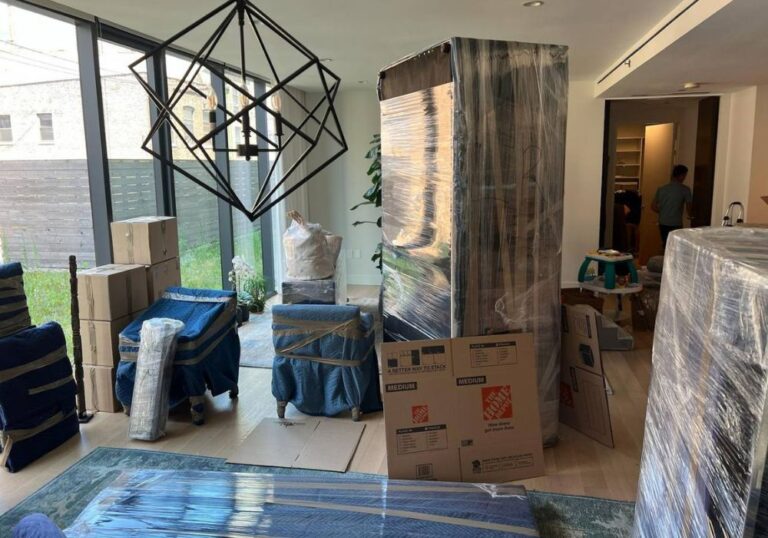
- furniture is padded with blankets (not just a quick wrap)
- corners and legs are protected (damage usually happens there)
- pieces are disassembled when needed, then reassembled properly
- loading order prevents crushing lighter boxes and fragile items
Illinois Move-Day Logistics That Prevent Delays
Even great packing can be slowed down by logistics. Here’s what we plan for:
Parking & truck access
- closest legal parking location
- driveway vs curb vs alley access
- long-carry prevention (extra distance adds time fast)
Elevators and building rules
For condos and apartments:
- elevator reservation (required in many buildings)
- certificate of insurance (COI) when requested
- service entrance timing
Time windows & traffic
Suburb-to-suburb moves can still hit rush-hour patterns. Starting early helps reduce idle time and keeps the move moving.
How to Choose Movers Near You (Without Guessing)
When comparing movers near me, ask these quick questions:

- Do you use blankets and proper protection on furniture by default?
- How do you pack TVs, artwork, and fragile kitchen items?
- What’s your plan for stairs/elevators/parking?
- Will you label and stage by rooms for fast unloading?
- Are your movers trained for heavy and oversized items?
A professional answer is always specific. Vague answers usually mean vague results.
FAQ:
You don’t need to repeat it—focus on reviews, clear packing standards, and whether the company explains a real logistics plan.
If you have fragile kitchen items, artwork, TVs, or a tight timeline, professional packing can reduce damage risk and often saves paid labor hours on moving day.
Loose packing, empty space inside boxes, and poor furniture protection (corners/legs/edges) cause most preventable damage.
Pack personal valuables and documents yourself. Consider movers for kitchen breakables, TVs, artwork, mirrors, and any fragile/high-value items.
Label boxes by room, clear pathways, reserve elevators (if needed), and confirm parking access so the crew can load efficiently.
