




Adam Hankin
2 years ago
Great job! Would recommend

Latoria Bell
2 years ago
They are an excellent moving company. They were fast and efficient. 10/10 will use them again.

steph r
2 years ago
I used ACM Movers on 1/23/25 and had great service. I had a difficult move (a lot of stairs), and Ivan and his partner were quick and efficient. ACM was also the most reasonably priced I found in the city of Chicago. Definitely recommend!

Shellina Jackson
2 years ago
On time and very kind guys! Place my furniture very neatly! I am definitely recommend them to everyone who needs help with the move! Both young man have nice personality. Thank you ACM Movers!

Steven Brown
2 years ago
Awesome working with these guys!!!

Justin
2 years ago
Nazar and Dras, our crew, took care of our stuff, packed efficiently, and ended up within the estimate. Thank you! Would use again

Kelsey Gordon
2 years ago
ACM movers did a great job with efficiently getting all of the item from my storage unit to my new apartment! They brought all their own equipment and were quick to get everything done! Both Ivan and Ivan were great to work with and handled everything with care. Would definitely recommend and use them again

Amanda
2 years ago
Professional, efficient, and careful. I worked with Nazar and Azim and they were exceptional. Highly recommend this company!

Eliza Stanford
2 years ago
I had two guys help load a truck for my move. Wow, they were amazing. I can't even imagine how long it would have taken my brother and I to move everything ourselves, but these guys did it all in a few hours.

xio deck
2 years ago
Had a great experience with my 2 movers today. Polite hard working efficient..would use them again

A B.
2 years ago
If I could give a zero I would. Absolutely aweful. Moved from storage to storage and the were slower than a turtle and ill prepared for the move.

MAGDALENA GERWEL
2 years ago
Great service. Yaroslav and Andriy werr very helpful, quick and professional. This is the 4th time I used this company and was verry happy each time.
Hired them again and Nazar was great! Both guys did a great job. I will be hiring them again

Kundayi Mugabe
2 years ago
Yaroslav and Andrew did I fantastic job helping me out with my move out for storage. They arrived on time, verified my movement needs and paid attention to applying extra wrapping to items per request. Definitely plan on hiring them again in the future!

Clifford Wright
2 years ago
They were timely, fast and professional.

Dolly Ordonez
2 years ago
I can’t say enough good things about ACM Movers! They made what could have been such a stressful day into an actual dream. Nazar and his teammate were absolutely amazing—so friendly, professional, and efficient. They showed up right on time and handled all my stuff like it was their own, making sure nothing got scratched or damaged.
What I really loved was how cautious and professional they were— they got everything done so fast but didn’t rush or cut corners. Honestly, I felt so taken care of, which was such a relief because moving is usually the worst.
If you want movers who will make your life so much easier, ACM Movers is the way to go. I’m so glad Nazar and his team were there to help me! 🙂

Kristaps Renerts
2 years ago
They are co.ing up with extra charges, highly recommend to avoid this company!

Lynnetta Williams
2 years ago
The gentleman who moved me yesterday was very courteous and very reliable and did an outstanding job. Thanks for everything

Tanisha Hart
2 years ago
They did great job. Good timing no damage

Emily Lawver
2 years ago
100% recommend using ACM! I originally chose them because they were cheaper than the competitors, but would use them again for the service! They gave me a call they were running a little late (totally fine) and were super apologetic. Tara’s and Nazar moved everything with such care. We have a lot of nursery furniture and they really took their time to get everything in the truck/apartment safely. We have a split level unit and they got everything in with ease (even the couch I thought was too big). Felt super comfortable with them doing our move, and will use them in the future.

Sarah Orozco
2 years ago
Nazar and his team were awesome, they were super efficient and respectful of our things!! They moved so fast. We couldn’t recommend them enough!

Andrea Gorman
2 years ago
All three Gentelman were great! Very polite and hard working. They took very good care of our things. They worked non stop. Everything was very well explained also. It was a long day for all and they were still on point. Many Thanks.

Erik Sanchez
2 years ago
Highly recommend this moving company. Very detailed oriented and up front with costs. Would use again in the future

Crossphyre21
2 years ago
Ivan and Naz were excellent. They were respectful, and efficient! Would recommend to all.

Sophia Orsello
2 years ago
Taras and Nazar did a wonderful job and were so helpful! Would definitely recommend.

Leila Arroyo
2 years ago
I am very grateful, thank you Nazar and his team for the pleasant experience of working with you, I will definitely recommend you)

Микола Фанок
2 years ago
I had an excellent experience with ACM Moving company for my recent move in Chicago. From start to finish, the team was professional, efficient, and incredibly careful with my belongings. They arrived on time, handled everything with great care, and made sure to communicate throughout the entire process.
The movers were friendly, worked quickly, and ensured everything was properly packed and secured. They made what could have been a stressful day so much easier, and I felt confident that my items were in good hands.
I highly recommend ACM Movers Evanston for anyone looking for reliable, stress-free moving services in Chicago. They exceeded my expectations in every way!

Michelle Leszkiewicz
2 years ago
They did a great job! Everything was perfect!

Kostadin Mitov
2 years ago
I recently used ACM Movers and I highly recommend them if you are looking for stress free moving experience. They wrapped everything precisely and took great detail when moving big furniture in tight spaces . They are very efficient and fast . Thank you ACM Movers Chicago for your professionalism and making the moving process pleasant memorie !!! Special thanks to Nazar!!!

Dmytro Savkiv
2 years ago
Great experience, the staff is friendly and fast working, I thought it will take two days to move out from 2bed, thanks to Alex and Roman for consulting and help

joe j. cervantes
2 years ago
All three of my movers were friendly and efficient. They knew what they were doing. I would hire them again, but only if I could get the same team next time. They understood my preferences, which is something not many people do.

Patrick Smart
2 years ago
Roman and Alex were great to work with and highly recommend ACM for your next move.

Seth Ryan
2 years ago
This is the second time I’ve used ACM. The first time was four years ago. For my move today they did a great job moving from Chicago to the suburbs. They carefully wrap furniture and delicate items. I’m amazed how much they fit in the truck. Friendly and strong movers. Thank you very much ACM.

Monica Rose
2 years ago
ACM movers helped moved all of my furniture out, they did such a great job, Alex did a great job with coming out to assist in fixing my tv stand fireplace/ speaker, when it somehow got lost in the move, but yes book with them if your looking to get a speedy move done in a professional manner.

Julie Sears
2 years ago
Alex, Roman and Andrew were quick and friendly. I feel horrible for editing my review because the guys were great. A bit inexperienced, but nice guys and they tried hard. My issue is with the guy in the office. He quoted a price, when we questioned him about wrapping the furniture, he said don’t worry they’ll wrap everything. Never mentioned the extra price. If I had known, I would’ve done it myself. Because of my work schedule, my mother was trying to call them for over a week to discuss the charge. About the fact that we were supposed to have two men, and there were three. Which cost me even more because I’m not gonna tip two guys and leave the other guy with nothing, so I took out extra money to that man. The only reason that she was able to get hold of someone is because my aunt contacted them and asked for a return call, I guess he didn’t realize it was my mother‘s number. Now she’s having to wait to talk to another person. The sad part is that these men who are working for them have no control over how shitty management is. This was only a temporary move and I’m waiting for my house to be ready so that I can fully move again. Guess who’s not getting the job, they were at first, but not after ignoring my mother‘s calls and emails. I think we’re going to also go to the Better Business Bureau as well. We were quoted a price and it was way higher at the end, even though they finish the job in less than the allotted time
Update, they moved me into storage facility and I recently removed all my items from that storage facility. I found larger boxes stacked on top of small boxes and barely balancing, and every single piece of my furniture was damaged. I have vintage dressers that were in Christine condition with giant gouges in them. every table and hard piece of furniture that I had had scratches and gouges that are not really repairable. And my favorite is the one year-old chair that I had, a big oversized living room chair had the frame broken. Like they dropped it on some thing and didn’t bother saying anything . The wood is literally snapped in half. So now I have to pay to have it repaired. I’m talking every piece of furniture, huge dining table, all my living room for furniture. I’m not even going to bother asking them to do anything, because they don’t even answer their phones when you are upset. Keep in mind that I don’t even yell at people, I state things calmly. The men that were sent, although seemingly nice after a while, they weren’t at first because they actually had to work, but They were not movers. My uncle was a professional mover for 40 years until he passed away. There was no supervisor there, just three guys who needed a job. We were told that they would wrap our furniture, it was not even offered, except for a mirror, they taped close all the drawers on the wooden dresser with a high adhesive tape that luckily they make products to remove. It was ridiculous. I might as well have gone on craigslist and found somebody. It would’ve been cheaper to have my belongings damaged by random people off of craigslist. If you have decent stuff that you care about, avoid them at all costs.
Since it won’t let me directly respond to your comment, it was not under my name, but it was my things. My mother has the same name, and she’s a sister of the person who did the reservation and paid for it. And you ignored her and unless you’re gonna pay for all of my furniture that your people destroyed, I have no interest in speaking to you anymore

Aidan Beals
2 years ago
Great service, quick move.

Katie Haw
2 years ago
They were great!

Dan Nemeth
2 years ago

Sameer Agrawal
2 years ago
Alex and Roman did a great job moving us from to our new home. They were efficient and bringing our items and kept everything free of damage. I will definitely call them on my next move.

Rene' Moore
2 years ago
Best movers ever plus they are fast and handsome

Mari Q
2 years ago
Thank you for prompt and efficient service ACM Movers! Tom and Alex were very professional and respectful. Will definitely recommend.

Олександр Венета
2 years ago
ACM Movers made my relocation to Evanston stress-free and seamless. Their team was professional, efficient, and handled my belongings with care. I highly recommend them for anyone looking for reliable moving services in the area. Will definitely use them again!

Elvia Guevara
2 years ago
Great service and good price!! I call a day before my moving day and they were able to schedule next morning. Thank you !

Connie Schuitema
2 years ago
Move went great. Guys worked hard and very nice. Made my move easy.

sasha gandelman
2 years ago
I hired ACM Movers to help moving my mom to a different apartment. Nazar and Dima are simply the best! They came on time, packed everything super carefully, delivered to a new place. All was done in 2.5 hours. They are very polite and attentive. I highly recommend ACM Movers to anyone who needs high quality and reasonably priced service.

Abby Goyak
2 years ago
Such a great experience! Had help moving from the city out to the burbs and they were both so efficient, communicative, helpful and careful with all my belongings!! Will definitely use again!

MILDRED MARSHALL
2 years ago
Ivan an his crew was timely and very courteous. We appreciate the service rendered

Michael Matthew
2 years ago
Alex and Roman are the best. It was a big move and these guys did it very fast and efficiently, can’t thank them enough. Will definitely hire again!

Addison Storm
2 years ago
Tom and Ben were actually unbelievable today. They killed it! So efficient and made the move look absolutely effortless. Across flights of stairs and large apartment buildings! Smile on their face the entire day. Thank you both again!

Tim Lee
2 years ago
We couldn't be happier with our experience with ACM Movers Chicago. Everyone we interacted with in that company was friendly, patient and helpful. The movers were on-time, professional, polite, and very fast.
We had 2 trucks-worth of heavy, solid oak furniture we were moving to a family member's house (including a piano). What would have taken us months and several U-Haul rentals took the ACM Movers about 4 hours.
Side note: Based on all of these 5-star reviews, I was definitely say they are Rock, so happy of using your service guys !!!

waralak chanabun
2 years ago
Excellent Moving Experience with ACM movers!!
I recently used ACM Movers for my move from Berwyn,IL to Chicago, and I couldn't be more satisfied with their service.
From the initial quote to the final box being placed in my new home, the entire process was smooth and stress-free. The team was professional, punctual, and extremely careful with my belongings. They took the time to wrap and protect my furniture, ensuring that everything arrived in perfect condition.
The movers themselves were friendly and courteous, making what is typically a stressful day much more pleasant. They worked efficiently and didn't waste any time, but also made sure to handle my items with care.
I highly recommend ACM Movers to anyone in need of a reliable and professional moving service. They made a potentially difficult day much easier, and I am extremely grateful for their help.
Thank you, ACM Movers for a job well done!

Anna Linscheid
2 years ago
Certainly! Here's a glowing review for ACM Movers in northern Illinois:
---
I recently had the pleasure of hiring ACM Movers for my relocation of a WHOLE PRESCHOOL!!! in northern Illinois, and I cannot recommend them highly enough! From start to finish, the entire experience was seamless and stress-free. The team was incredibly professional, punctual, and attentive to all my needs. They handled our stuffs with the utmost care, ensuring everything arrived at the Mosses new home in perfect condition. The movers were friendly and efficient, making the entire process quick and effortless. ACM Movers truly exceeded all our expectations, and I am grateful for their exceptional service. If you're in need of a reliable and top-notch moving company, look no further than ACM Movers!

Alex Rad
2 years ago
I had an outstanding experience with ACM Chicago Movers! They were incredibly professional from start to finish. The team handled all my belongings with great care and efficiency, making the moving process smooth and stress-free. Communication was clear and timely, and the movers were both friendly and highly skilled. I am thoroughly impressed with their service and would definitely use them again. Highly recommend ACM Chicago Movers to anyone looking for reliable and professional moving services. Five stars all the way!

TATTI
3 years ago
10/10! Highly recommend!
First of all, instant text communication made it really easy to schedule an appointment.
On the day of move, everything was smooth and professional.
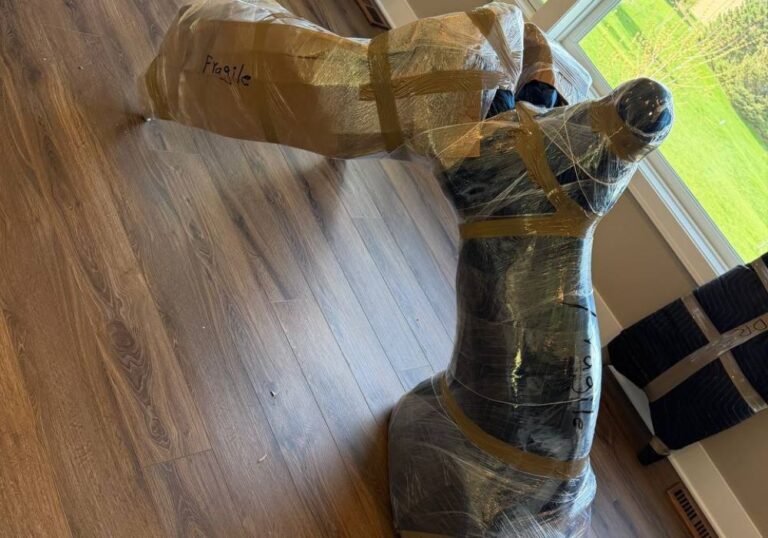
ACM Movers were extremely careful with all stuff and furniture. They also had all needed wraps, tapes, covers and huge boxes to insure that everything is securely wrapped and ready to go.
Mirrors and glass items were packed with carton toppers👍
Plants were transported in a metal cart, which I think was a brilliant idea!
The easiest move out - move in in my life!
Thank you!
