
If you’re planning a move in Chicagoland, full packing service is often the difference between a smooth move and a long, stressful day. It’s also one of the most misunderstood services. People hear “packing” and think it’s just boxes—when in reality, it’s a structured protection system that prevents damage, speeds up loading, and keeps your move organized.
This guide breaks down exactly what full packing service includes, how long it takes in real homes and condos, typical cost ranges in 2026, and which Chicago-area logistics matter most—whether you’re moving in Chicago itself or popular suburbs like Oak Park, Evanston, Arlington Heights, Naperville, Schaumburg, Glenview, Hinsdale, Elmhurst, Skokie, and beyond.
What “Full Packing Service” Includes
A true full packing service is more than wrapping a few fragile items. It usually includes:
1) A packing plan (not improvisation)
Professional packers follow a room-by-room system:
- set up staging zones
- choose the right materials per item category
- label based on room + priority
- keep fragile items isolated from heavy loads
- build a loading order that protects your belongings
2) Packing labor for the entire home
This typically covers:
- kitchen (breakables, pantry, small appliances)
- bedrooms (clothes, shoes, decor)
- living areas (decor, books, lamps, small electronics)
- bathrooms (leak-proof packing, organizing)
- garage/basement storage items (where allowed and safe)
Note: Some categories may be excluded or require special handling (hazardous liquids, propane tanks, fireworks, certain chemicals, etc.). A reputable company will clearly list exclusions.
3) Standard packing materials (often bundled or itemized)
Most full packing jobs use:
- sturdy boxes (small/medium/large)
- packing paper (best for kitchen and glass)
- bubble wrap (selective cushioning)
- stretch wrap (bundling, drawer wrap, sofa protection)
- tape, labels, markers
- mattress bags
- moving blankets (furniture and doorway protection)
4) Basic furniture protection (before loading)
Full service usually includes:
- blanket wrapping for key furniture pieces
- stretch wrap to keep blankets secure
- corner/edge protection where needed
- optional disassembly/reassembly (bed frames, tables) depending on scope
What’s NOT Automatically Included (Ask This Before You Book)
Full packing is “full,” but some items may be handled as add-ons:

- TV boxing (requires proper TV cartons and foam corners)
- artwork/mirror boxing (picture boxes or custom cartons)
- fine china/crystal upgrades (dish packs, extra cushioning)
- wardrobe boxes (best for hanging clothes)
- custom crating (rare, but needed for ultra-high value pieces)
- appliance servicing (disconnect/reconnect is often separate)
If you’re comparing “movers near me,” ask for a clear list of what’s included vs. optional. Vague packaging promises usually lead to surprise costs or weaker protection.
How Long Full Packing Takes in the Chicago Area
Packing time depends on volume, access, and how organized your home already is. Here are typical ranges:
Typical Packing Timeframes | 2026 |
|---|---|
Studio / 1BR apartment: | ~ 2–5 hours |
2BR apartment / condo: | ~ 4–8 hours |
3BR townhouse: | ~ 6–10 hours |
3–4BR single-family home: | ~ 8–14 hours |
Large home / estate: | ~ 12–20+ hours (often split across days) |
What makes packing take longer
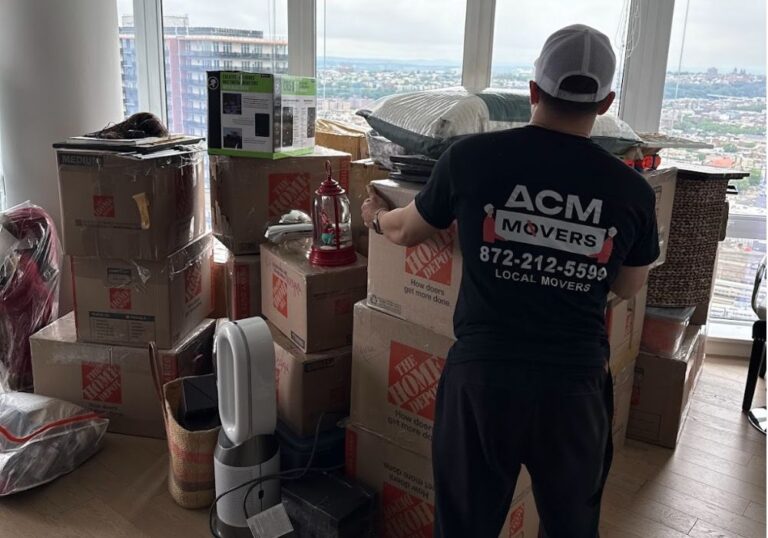
- overstuffed closets (no sorting)
- lots of glassware/decor/art
- kids’ rooms with many small items
- tight staircases, long hallways, elevator schedules
- last-minute “keep/donate/trash” decisions while packing is happening
Local tip for condos (Chicago / Evanston / Oak Park): elevator reservations and service entrance rules can reduce working windows. Planning those details upfront prevents idle time.
What Full Packing Service Costs (Realistic 2026 Ranges)
Prices vary by home size, materials, and the number of fragile/special items. Below are typical add-on ranges in 2026 for the Chicago area.
Typical Full Packing Add-On Ranges | |
|---|---|
Studio / 1BR: | $600–$1,400 |
2BR: | $1,000–$2,400 |
3BR: | $1,600–$3,200 |
3–4BR house: | $2,200–$4,800 |
Large home: | $4,000–$8,000+ |
Common add-ons (typical ranges) | |
|---|---|
TV packing: | $75–$250 each |
artwork/mirror packing: | $75–$350 each |
wardrobe box usage: | $10–$20 per box (varies) |
premium dish packing (dish packs): | $40–$90 per kit/box (varies) |
The Packing Standards That Actually Protect Your Home
Here are specific standards you should expect from a professional packing team:
Kitchen standard (most breakage happens here)
- plates packed vertically (like records), not stacked flat
- each glass wrapped individually
- empty space filled—nothing should rattle
- boxes clearly labeled: KITCHEN + FRAGILE + THIS SIDE UP
Clothing and closets (fast + clean)
- hanging clothes moved with wardrobe boxes (best)
- folded clothing packed by drawer/section, labeled by room
- shoes packed in structured boxes to prevent crushing
TVs and artwork (high-risk items)
- TV boxed with proper carton + foam corners
- artwork/mirrors protected with corners + picture boxes
- loaded upright and secured, labeled DO NOT STACK
Furniture protection (no “quick wrap” shortcuts)
- blanket-wrap high-value pieces
- protect corners and legs (most damage occurs here)
- secure blankets with stretch wrap
- smart load order to prevent crushing
When Full Packing Is Worth It

Full packing service is especially worth it when:
- you’re moving on a tight timeline
- you have fragile kitchenware, art, mirrors, TVs
- your home has stairs/elevators/long carries
- you want a predictable move day with fewer surprises
If you prefer a hybrid approach, a popular option is partial packing (kitchen + fragile + art/TV) while you pack clothes and personal items.
FAQ:
Not always. Full packing refers to labor + system; materials may be bundled or itemized. Ask for both.
You don’t have to, but sorting saves time and money. At minimum, separate a “Do Not Pack” area.
They should. Room + category + priority labeling is what speeds up unloading and prevents lost items.
Yes—and it’s often the best approach for larger homes or buildings with elevator/time restrictions.
Documents, medication, valuables, chargers, keys, and anything irreplaceable or urgently needed.
