
If you’ve been searching “movers near me” or “moving company near me” in the Chicago area, you’re probably trying to answer one question fast: How much will my move cost in 2026? The honest answer is: it depends—but not in a mysterious way.
Most moving quotes in Chicagoland follow a clear structure. Your total is mainly driven by time (labor hours) plus access/logistics and your packing level. In this guide, we’ll break down realistic 2026 price ranges for Chicago and suburbs, explain what actually changes the cost, and share practical steps that keep your move efficient and predictable.
This pricing guide is especially helpful for higher-demand areas and affluent suburbs where moves often involve larger homes, premium furniture, and tighter schedules—places like Winnetka, Wilmette, Glencoe, Kenilworth, Lake Forest, Highland Park, Northbrook, Deerfield, Long Grove, Barrington, Hinsdale, Oak Brook, Western Springs, Clarendon Hills, Elmhurst, Oak Park, and nearby communities.
At ACM Movers, we price and plan moves around one goal: no surprises—because the cheapest move on paper can get expensive when a job runs longer due to packing or logistics issues.
Quick Answer: Typical Moving Cost Ranges in 2026 (Chicago Area)
Below are typical local-move ranges many customers see in 2026 for Chicago and surrounding suburbs. Your exact quote depends on inventory, stairs/elevator, long carries, packing, and special items.
Typical Local Move Price Ranges (Labor + Truck)
Home Size | Typical Crew | Typical Time | Typical 2026 Range* |
|---|---|---|---|
Studio / 1BR | 2 movers | 3–5 hrs | $450–$950 |
2BR apartment / condo | 2–3 movers | 4–7 hrs | $750–$1,650 |
3BR townhouse | 3 movers | 6–9 hrs | $1,200–$2,400 |
3–4BR house | 3–4 movers | 7–12 hrs | $1,800–$3,800 |
Large home / estate | 4–6 movers | 10–18 hrs | $3,200–$7,500 |
*These are general ranges for local moves. Specialty crating, long-distance linehaul, and complex logistics can add cost.
The Simple Cost Formula (So Quotes Make Sense)
Most reputable movers calculate local pricing like this:
Total Cost ≈ (Crew Hourly Rate × Hours) + Trip/Travel Fee + Packing Materials + Specialty Handling
If you want a quote that matches reality, your job is to make the “Hours” part predictable—by packing with a plan and avoiding logistics delays.
The 8 Biggest Factors That Change Your Moving Quote

1) Home size and inventory (volume matters most)
A minimal 2BR can be cheaper than a packed 1BR. Full closets, storage units, and garages add time.
2) Stairs vs elevator vs long carry
Three flights of stairs or a 200-foot walk from the truck to the door can add real labor time. More time = more cost.
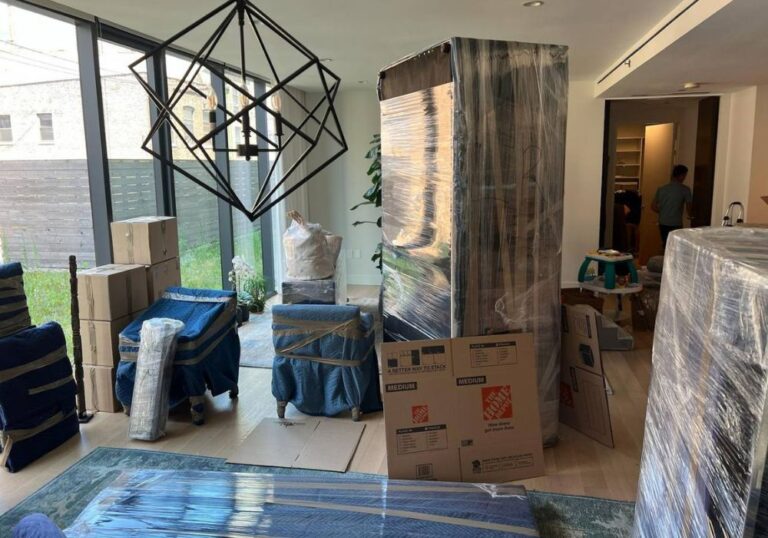
3) Packing level (DIY vs partial vs full packing)
Packing is either done before the crew arrives—or it becomes paid moving time. Professional packing can reduce damage and sometimes saves time overall, especially for kitchens and fragile items.
4) Furniture disassembly/reassembly
Beds, large tables, sectionals, and office furniture take time to disassemble correctly and protect.
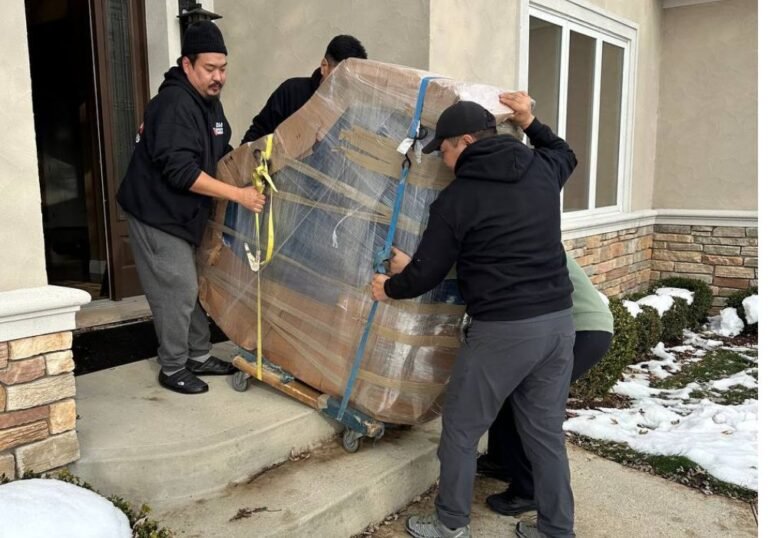
5) Heavy and oversized items
Treadmills, safes, large sectionals, big dining tables, pianos, and fragile stone tops require extra handling and protection.
6) Timing (weekends, month-end, spring/summer demand)
April–June weekends and month-end dates are typically the highest-demand windows.

7) Building rules (condos + city logistics)
Elevator reservations, service entrance hours, COI requirements, and loading restrictions can create delays if not planned early.
8) Traffic windows (yes, even suburb-to-suburb)
Chicagoland traffic can turn a short route into a time sink. Early starts often reduce idle time.
Hidden Costs People Don’t See Until Move Day (And How to Avoid Them)
Parking problems
If the truck can’t park close, the job slows down. A “long carry” can add a surprising amount of time.
Fix: identify the closest legal spot, clear the driveway, reserve loading if needed.
Last-minute packing
If boxes aren’t ready, the crew either waits—or starts packing. Both increase paid hours.
Fix: pack non-daily items early, then finish kitchen/fragile with a clear plan.
Poor labeling
When boxes aren’t labeled, unloading takes longer and people start opening boxes to find basics.
Fix: label every box with Room + Category + Priority.
A Packing Plan That Protects Your Budget (Not Just Your Stuff)
Here’s a fast, professional-style packing system that reduces breakage and keeps moves on schedule:
Step 1: Create 3 zones (15 minutes)
Keep With You: documents, meds, valuables, chargers
Open First: bedding, toiletries, kids essentials, coffee maker
Fragile: kitchen breakables, glass, decor, small electronics
Step 2: Use the right materials (not random boxes)
Packing paper (best for kitchen)
Bubble wrap (selective)
Stretch wrap (bundling, furniture protection)
Strong boxes (heavy items in small boxes)
Mattress bags + blankets for furniture
Step 3: Pack high-risk items the pro way
Kitchen: plates vertical, glasses wrapped, all empty space filled
TVs: proper TV carton + foam corners (avoid screen pressure)
Artwork/mirrors: corner protection + upright loading, “DO NOT STACK” labeling
This is one reason people choose ACM Movers: we’re not just moving boxes—we’re controlling the risk and time that drive the final price.
Chicago Suburbs Where Pricing Often Runs Higher (And Why)
In affluent and high-demand suburbs—Winnetka, Kenilworth, Glencoe, Wilmette, Lake Forest, Highland Park, Northbrook, Deerfield, Long Grove, Barrington, Hinsdale, Oak Brook, Clarendon Hills, Western Springs—moves often include:
- arger inventory and premium furniture finishes
- more fragile decor/artwork
- tighter schedule expectations
- longer driveways, stairs, or detailed home layouts
That doesn’t mean your move must be expensive—it means planning and packing standards matter more.
FAQ:
Typical local moves range from a few hundred dollars for small apartments to several thousand for larger homes. Your total depends on hours, access (stairs/elevator/long carry), packing level, and special items.
Stairs, long carries, last-minute packing, poor labeling, and building delays (elevator rules/COI) are the most common time—and cost—drivers.
DIY packing can be cheaper if everything is truly ready and labeled. If packing isn’t finished, the move often takes longer. Professional packing is especially valuable for kitchens, TVs, artwork, and fragile items.
Pack early, label every box by room and priority, clear pathways, confirm parking access, and reserve elevators if required.
Weekdays often have more flexibility and can reduce peak demand pressure. Weekends are popular and book quickly in spring/summer.
